
From workshops on Country to one of Australia’s largest museums: Miru Project is a powerful story about reclaiming language, land, sky, and culture.
Celebrating Miru at the Powerhouse Museum
In November 2026, Ku Arts travelled to Burramatta (Parramatta), Dharug Nation, with a delegation of male carvers from Kurdnatta (Port Augusta) that were involved in the Miru Project (2025-2026). The carvers were there to celebrate the opening of the Powerhouse Museum’s exhibition Task Eternal which included their miru (spear throwers). The delegation included; Christian Khan (Kokatha), Elijah Partridge (Kokatha, Wirangu), Tyson Fielding (Kokatha, Adnyamathanha), Community Engagement Officer at Kokatha Aboriginal Corporation, Jarrad Edwards (Kokatha) and one of the Miru Project’s Lead Facilitators, Dallas Brady (Adnyamathanha). The Miru Project was commissioned by the Powerhouse Museum, supported by Kokatha Aboriginal Corporation and delivered in partnership with Ku Arts.
The miru included in the Task Eternal exhibition became one of many impactful outcomes from the Miru Project that reached over fifteen male First Nation’s carvers from South Australia.

Task Eternal installation view, Powerhouse Museum, Sydney, November 2026. Photo by Mel Henderson.
Reclaiming language, land and sky
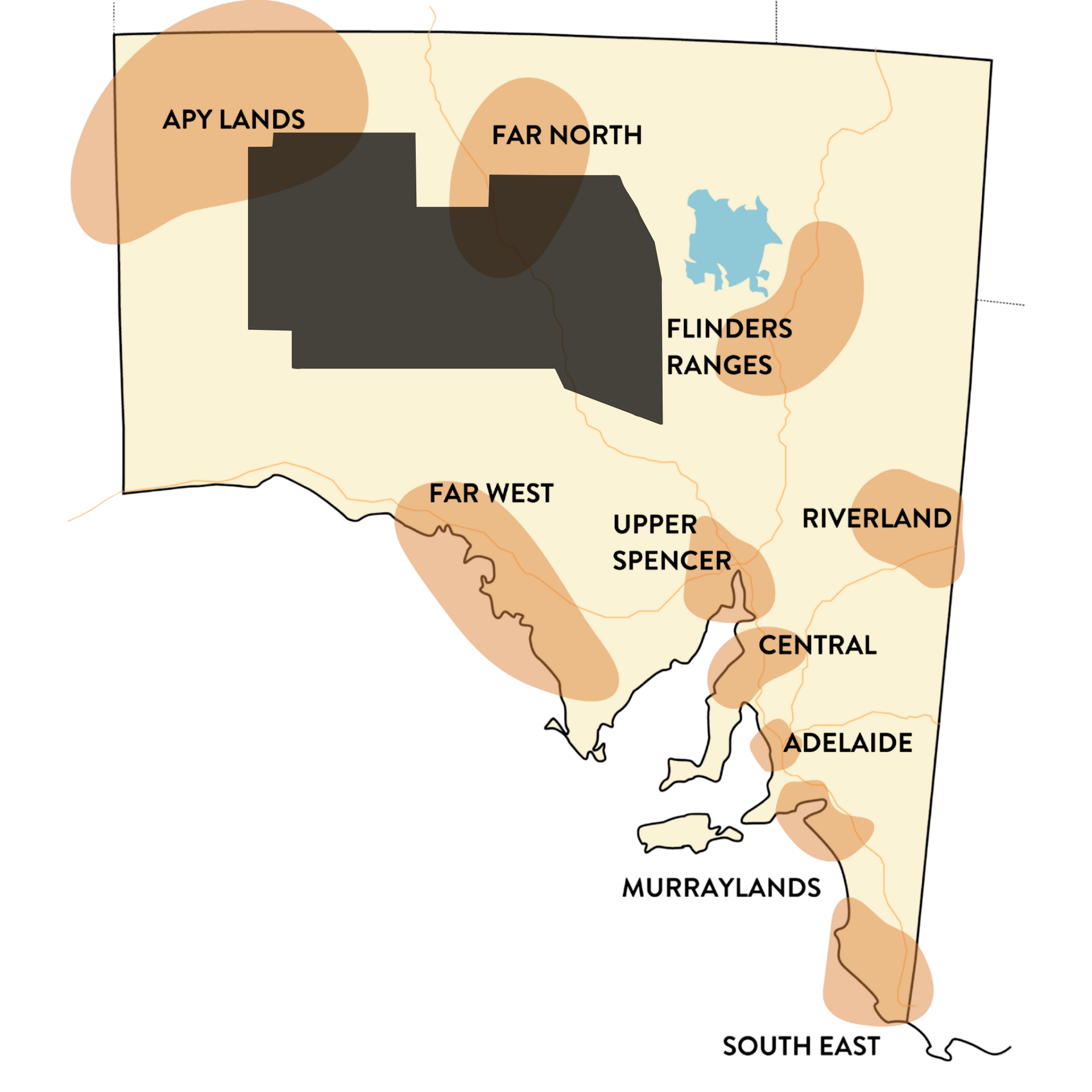
From May to December 2025, Kokatha carvers came together with other First Nations carvers connected to the Woomera Prohibited Area (WPA). The WPA is a 122,188-square-kilometre military test range in outback South Australia, about 450 km north-west of Adelaide. It sits on the traditional lands of six Aboriginal groups that hold native title rights: Maralinga Tjarutja, Anangu Pitjantjatjara, Antakirinja Matu-Yankunytjatjara, Arabana, the Gawler Ranges peoples and Kokatha.
The Miru Project, originally titled the Woomera Project, supported carvers, culture keepers and community members connected to native title groups within the WPA, with an emphasis on the Woomera Township. Together, carving participants took part in a ground-breaking program of reclaiming language, land and sky through histories and truth-telling carved in wood.
The evolution of the project’s name from Woomera to Miru was part of this reclamation. The word ‘Woomera’ which translates to spear thrower, originated from the Dharug language of the Sydney region in NSW. It was adopted by the military when the WPA was established. In January 2025, consultations with Kokatha Aboriginal Corporation staff and community identified the need to bring miru into the title. Miru, also meaning spear thrower, from the Western Desert dialects that are local to the WPA including; Kokatha, Maralinga Tjarutja, Anangu Pitjantjatjara and Antakirinja Matu-Yankunytjatjara. A name change to the Miru Project was the first step in reclaiming language back to those associated with language groups within the WPA.
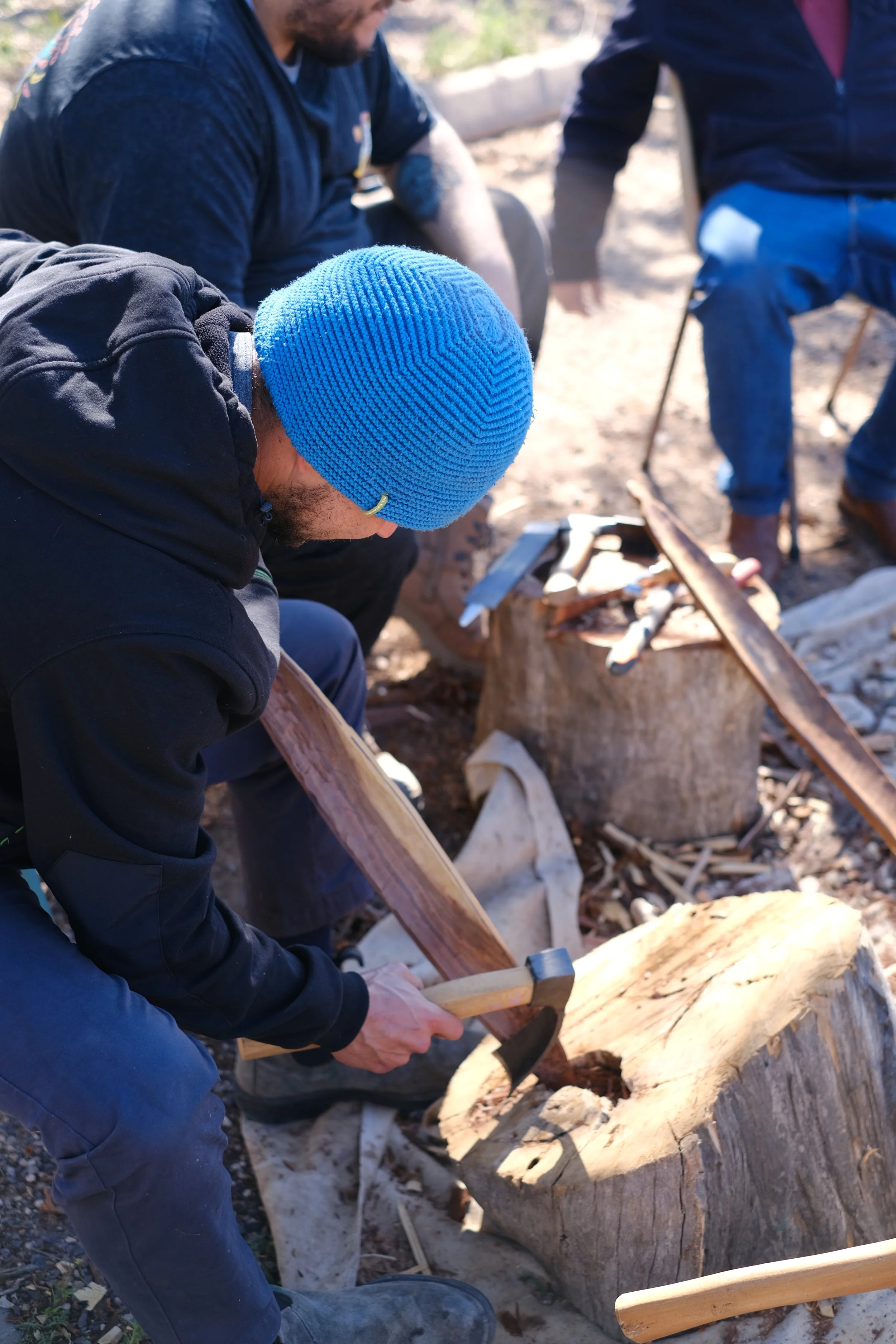
Jarred Edwards at a carving workshop, Port Augusta, Novem ber 2026. Photo by Mel Henderson.
Black area shows approximate size and location of the Woomera Protected Area.
On Country: bush camps at Andamooka Station and Koolymilka
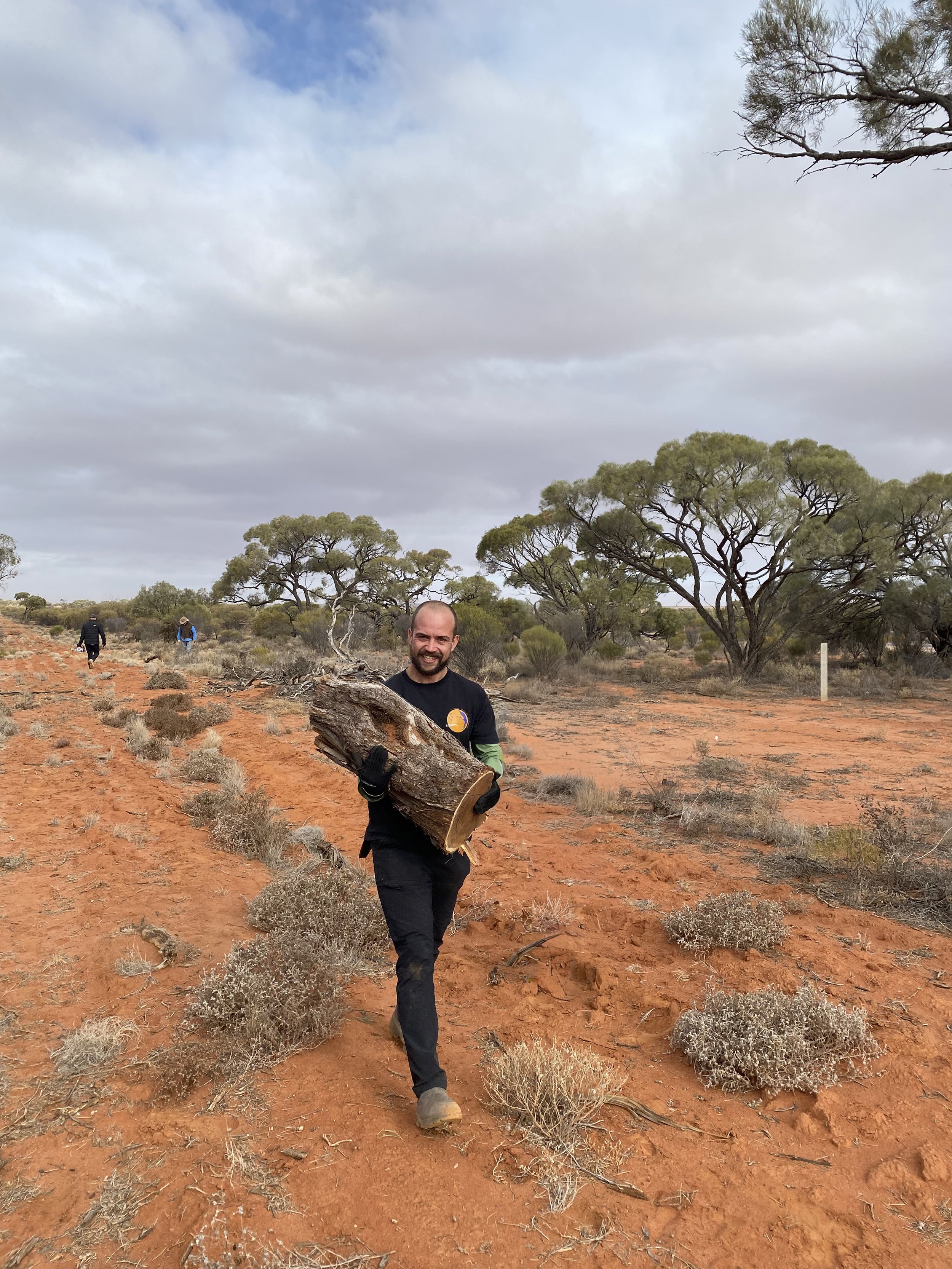
Two intensive bush camps on Kokatha Country, hosted at Andamooka Station and Koolymilka in the Red Zone covered early-stage carving, experiments with resin, surface design techniques and collaborative planning for the exhibition (Task Eternal). Participants collected and processed punu (timber), including Western Myall and Mulga. Carvers visited sites of cultural significance such as Wild Dog Creek and Eukolo Creek, and shared stories about the ongoing impacts of defence activity on Country. Participants spoke of the project’s role in healing, cultural renewal and building pride for Kokatha people across generations.
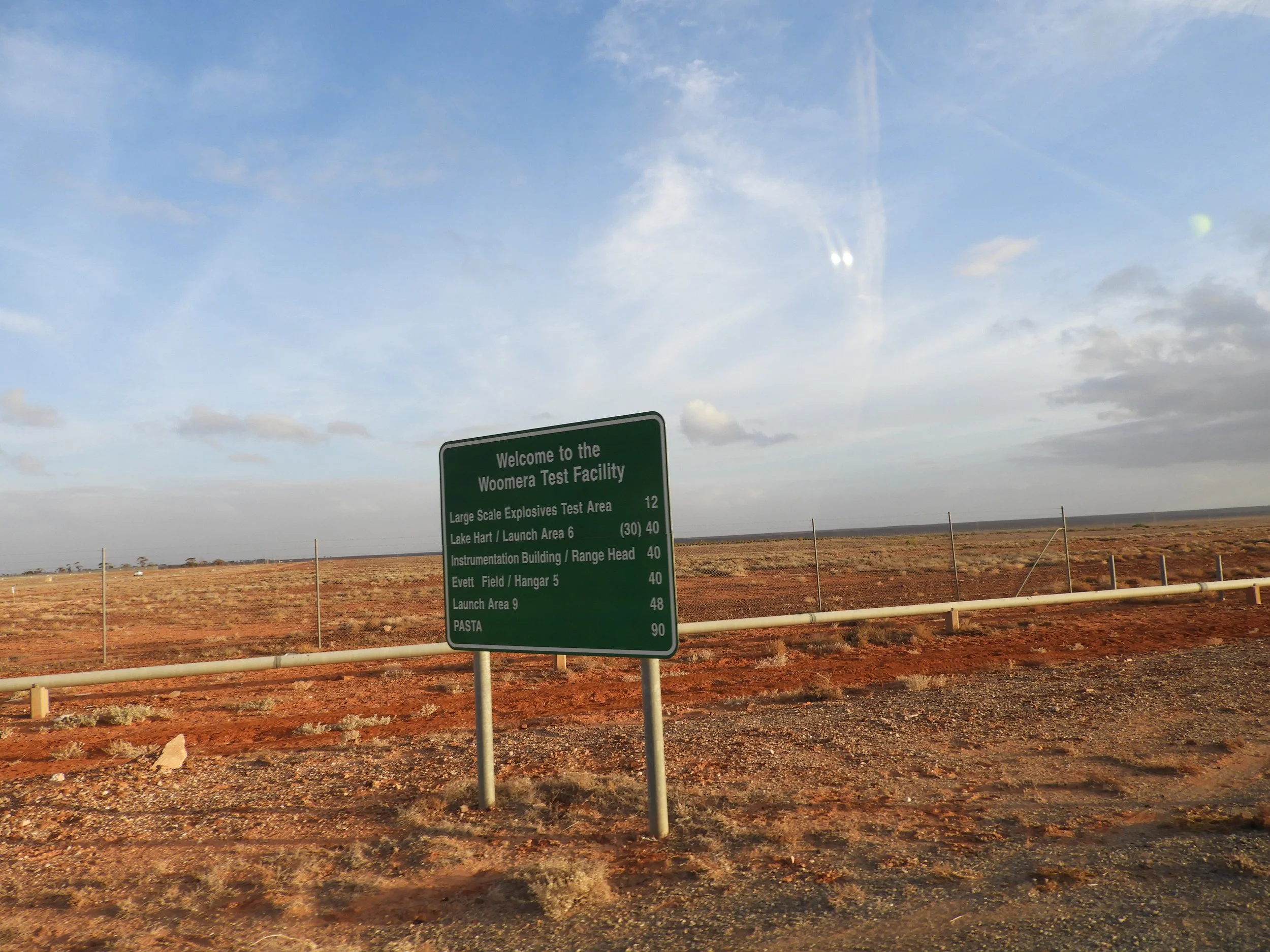
L-R: Woomera Test Facility signage, May 2025. Photo by Tasman Stratchan.
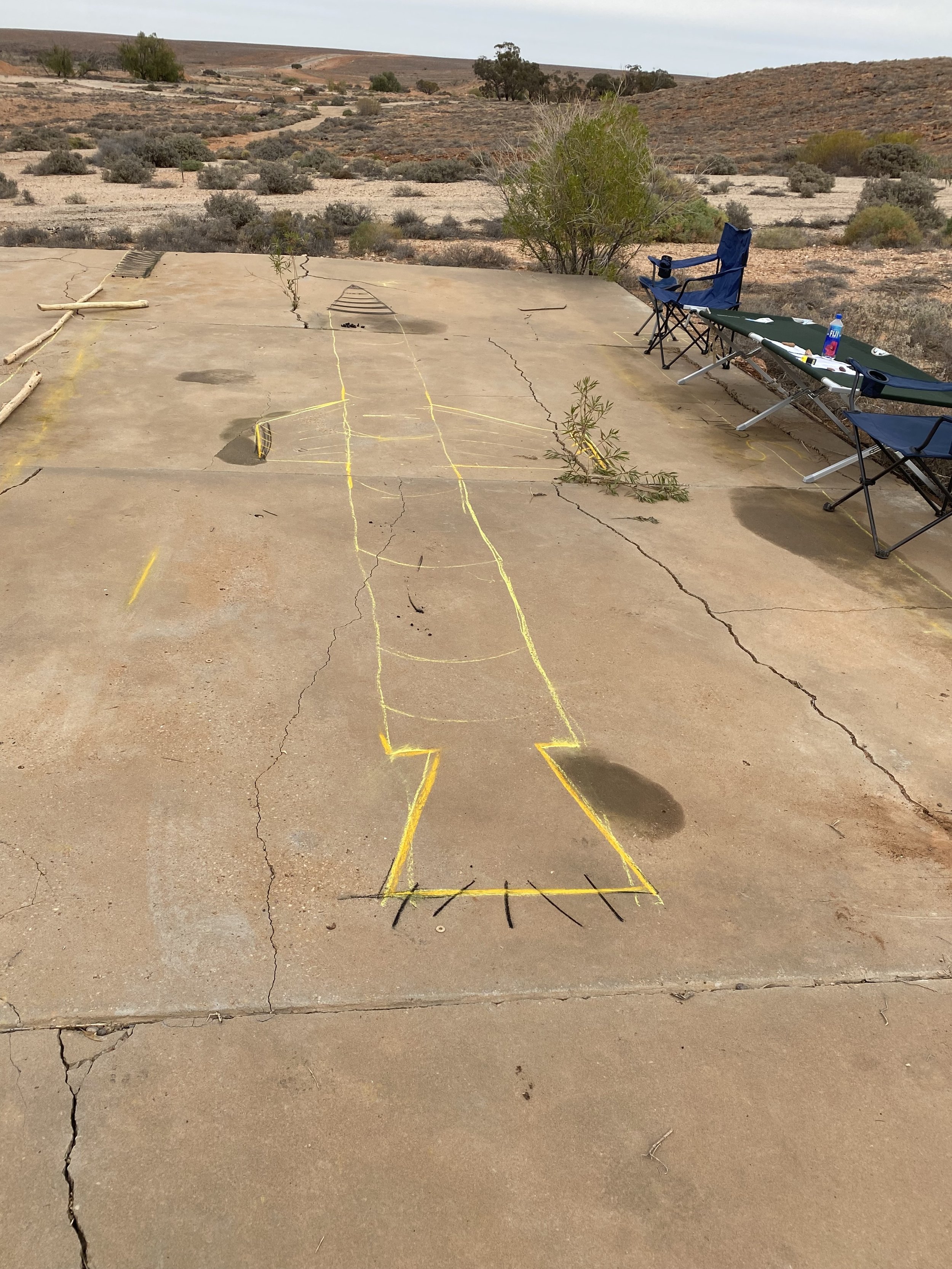
Skylark rocket to scale on Country, May 2025. Photo by Tasman Stratchan.
Jarred Edwards collecting wood on Country, May 2025. Photo by Tasman Stratchan.
Carving intensives in Port Augusta
After the camps, Ku Arts facilitated four carving intensive workshops in Port Augusta. The workshops were led by Dallas Brady, an experienced Adnyamathanha carver who was keen to share his skills with new and emerging carvers.
Jarrad Edwards (Kokatha) reflected on what the workshops meant for the men involved:
“For many of the men, participating in the Miru Project was about building connection with Kokatha Country, each other, and culture. Practicing traditional tool making and physically working through each step was a calming and therapeutic experience but also important to men’s spiritual connection. During workshop days at Press Rd, there was a sense of community among all the wood carvers.”
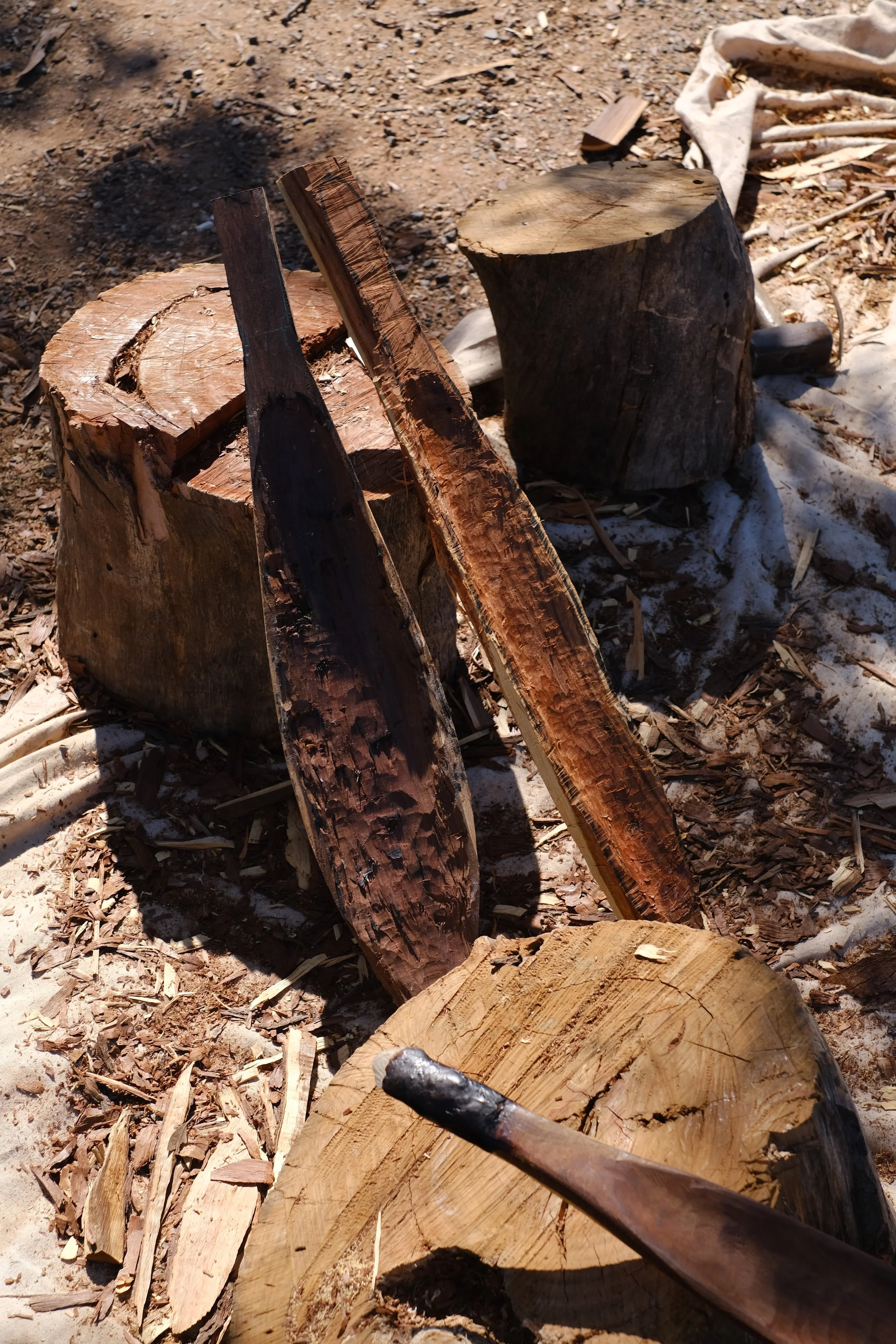
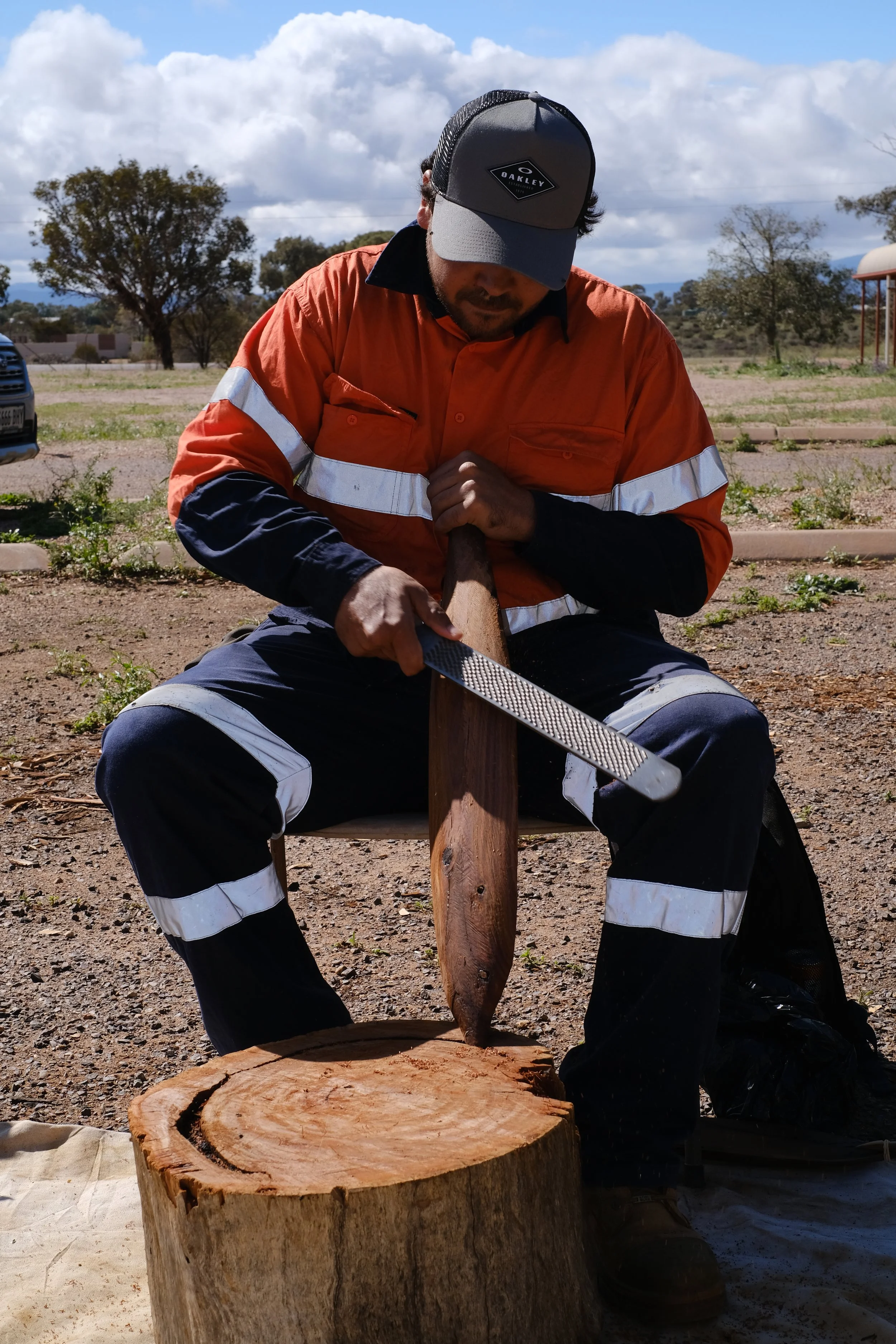
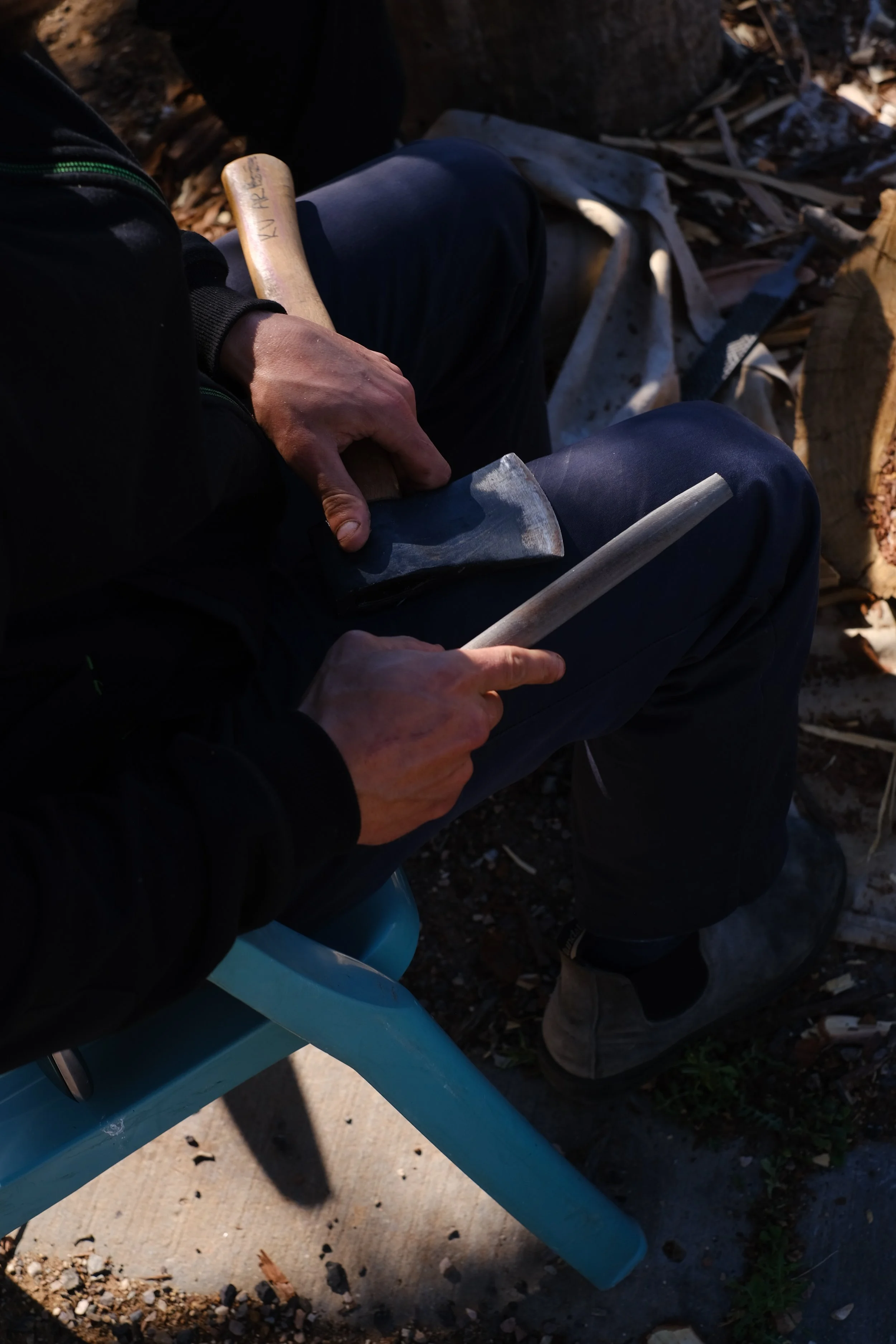
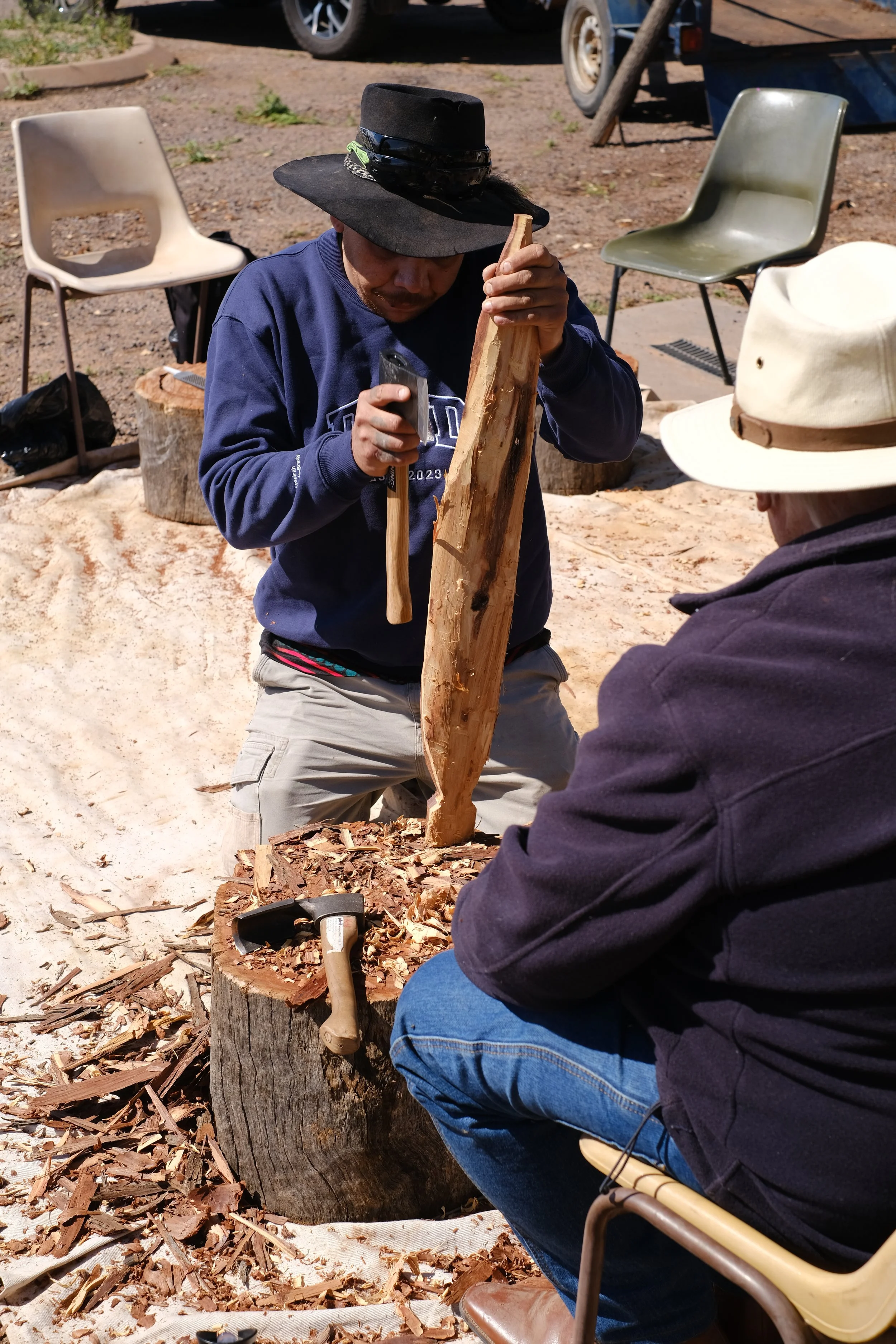
L-R: Carving in progress, Port Augusta, 2025. Photo by Mel Henderson.
Clyde Shaw carving, Port Augusta, 2025. Photo by Mel Henderson.
Carving in progress, Port August, 2025. Photo by Mel Henderson.
Dallas Brady carving, Port Augusta, 2025. Photo by Mel Henderson.
Strong arts, strong culture, strong communities
The Miru Project demonstrated Ku Arts’ commitment to strong arts, strong culture, strong communities.
Carvers shared techniques and tried new approaches, including collecting and making kiti (gum from spinifex and mulga) for use as a resin. For several carvers, it was their first time making a miru. Carver, Clyde Shaw (Yankunytjatjara) said; “First time. Given me good teaching of what my people used to do in the old days. I have appreciation for the time, effort and creativity that goes into making hunting tools. It takes a long time.”
Language, Country and making were held together throughout the project, and the camps and workshops passed on knowledge between generations. Carver, Travis Bryant (Pitjantjatjara), described learning to carve from his tjamu (grandfather) in Yalata Community, where displaced families were relocated when the WPA was cleared for testing. Travis said: “We don’t just carve miru, we make everything.” Carver, Clifford Cullinan (Pitjantjatjara, Yankunytjatjara), said passing it on is simple: “Teach them young ones, it’s really important.”
The workshops built connections between carvers from many Nations. Each participant brought their own family teachings and stories, and skills and culture were exchanged in both directions. The workshops were a place of care where the men had a sense of belonging. The carvers also spoke about the Country that holds these stories. Clifford Cullinan reflected on the impact of bomb testing on the Spinifex people, and Clyde Shaw described restricted access as being “a prisoner in your own country”.
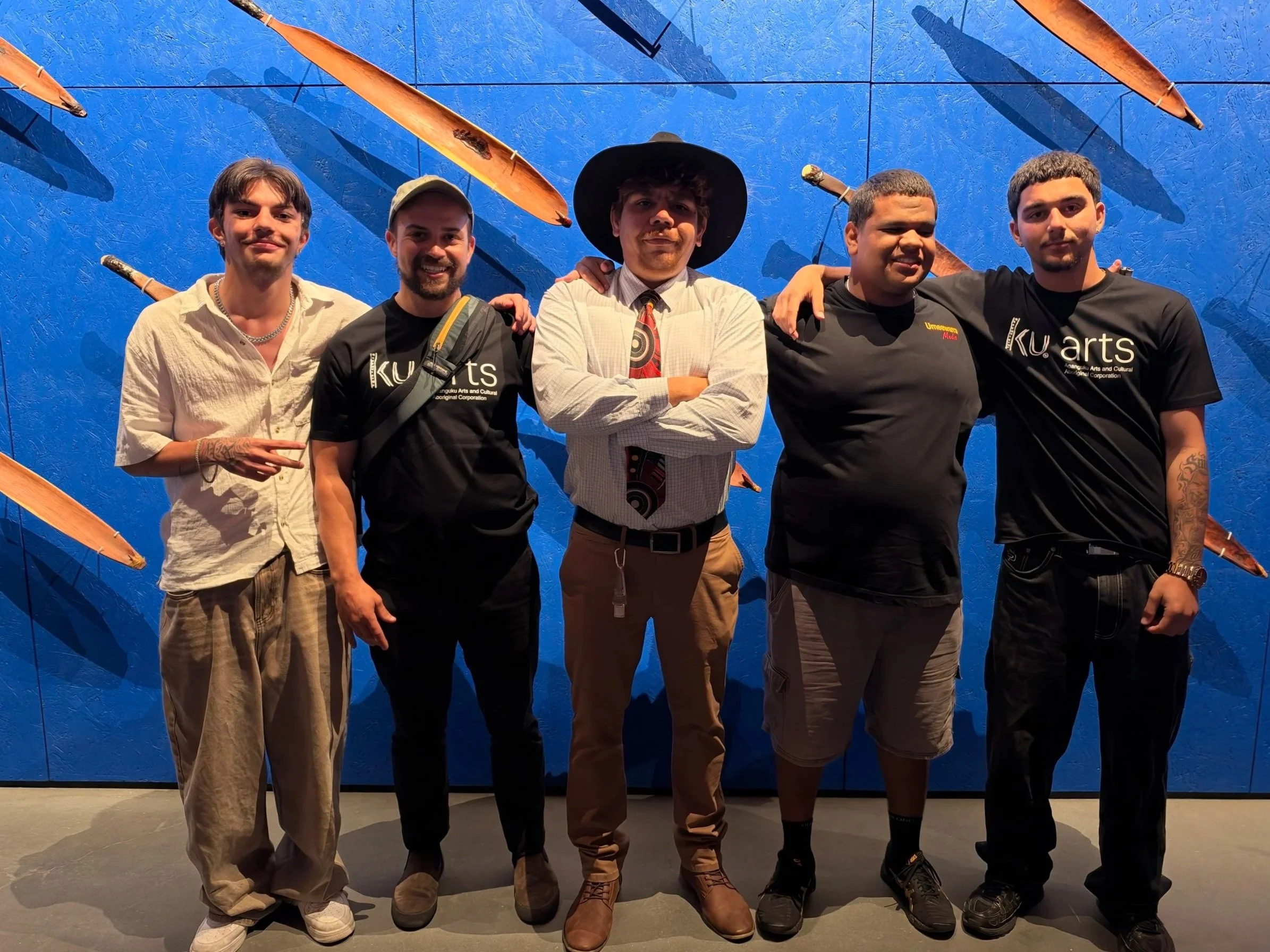
Elijah Partridge, Jarred Edwards, Dallas Brady, Tyson Fielding, Christian Khan at the Task Eternal opening, Powerhouse Museum, Sydney, November 2026. Photo by Mel Henderson.
Protest, Resilience and Survival
The miru made through the project stand as a protest against militarisation by First Nation’s people with connections to the WPA. The Miru Project highlights the ongoing disenfranchisement, cultural disruption and environmental damage inflicted on sacred Aboriginal Country. However, the miru also celebrate that First Nation’s people continue to survive and thrive; making, reclaiming and sharing to keep culture and each other strong.
“We never forget our origins where we came from. We’re a strong society, we survived and lived on land. Carving is a remembering.”
— Clyde Shaw, Yankunytjatjara people, Miru Project carver.
Carvers
Dallas Brady (Adnyamathanha)
Alex Reid (Kokatha, Pitjantjatjara, Yankunytjatjara)
Christian Khan (Kokatha)
Clifford Cullinan (Yankunytjatjara)
Clyde Shaw (Yankunytjatjara)
Jamahl McLean (Kokatha, Arabana, Yankunytjatjara, Warlpiri, Wangkangurru)
Darryl Thomas (Nukunu)
Elijah Partridge (Kokatha, Wirangu)
Elijah Shannon (Adnyamathanha)
Jarrad Edwards (Kokatha)
Johnno Tunkin (Pitjantjatjara)
Nigel Brumby (Pitjantjatjara, Yankunytjatjara)
Rowan Lambadgee (Pitjantjatjara)
Travis Bryant (Pitjantjatjara)
Tyson Fielding (Kokatha, Adnyamathanha)
Ku Arts acknowledges Kokatha Traditional Owners Andrew Starkey and Tjiangu Thomas for their cultural authority and guidance on the Miru Project.
Shared languages, related to carving, used across Western Desert dialects:
miru = spear thrower / woomera
punu = wood
malpiny = kangaroo sinew
kiti = gum made from spinifex and mulga
Western Desert dialect translations were supported by the Mobile Language Team (Adelaide University).
